School of Science
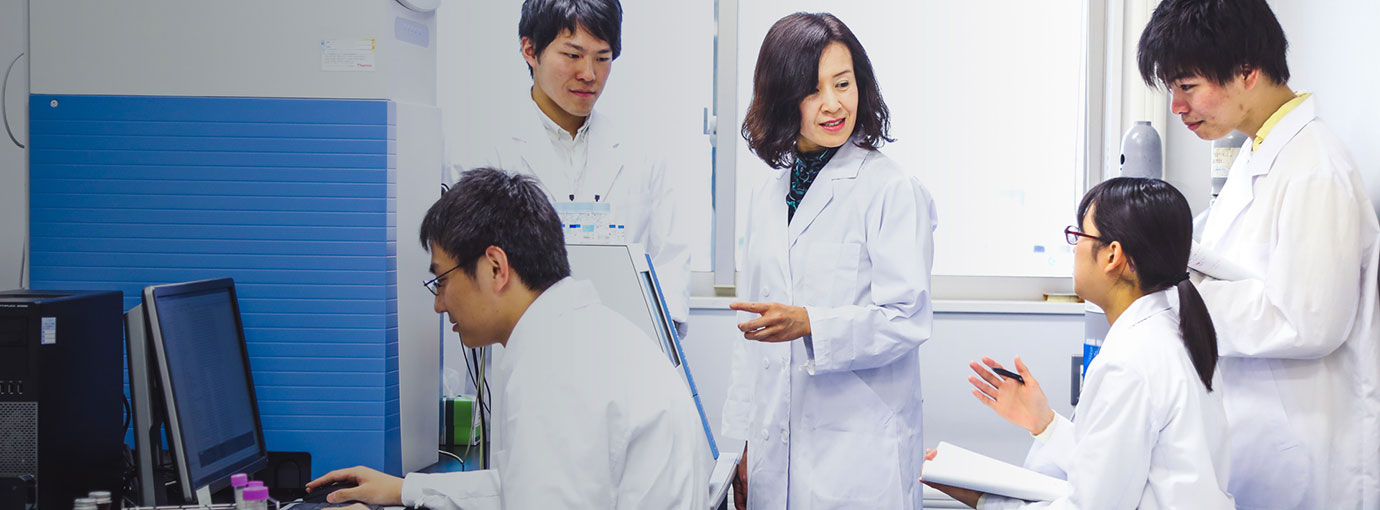
By studying the basics of natural science in the fields of physics, chemistry and biology, we nurture students with the ability to understand and explore the phenomena of life at a cellular and molecular level, and take an integrated approach across the fields of medicine, engineering and agriculture.
OVERVIEW
- Degree awarded Bachelor of Science
- Duration 4 Years
- Medium of instruction Mainly in Japanese
- Courses in English Some courses available
- Language requirements JLPT N2 or higher
- Admissions test(s) Yes
- Admissions statistics To be announced
Recommended for those who:
- have interests in the latest advancements in science and technology
- want to be involved in energy and environmental issues
- would like to deepen their understanding of natural phenomena to promote innovation
- want to understand the mechanism of life through a scientific perspective
- aspire to work and conduct research in the field of life science or medicine
STRUCTURE
Course Structure
Science and Mathematics Master Training Program lets you conduct research activities in the first year
First year students have the freedom to select a program for independent study under supervisors. The program is designed to encourage the students to output their research findings in nationwide competitions such as 'Science Intercollege' and offers full support in their research activities right upon entry.
Fundamental knowledge in physics, chemistry and biology
In addition to Practical English and liberal arts seminars, first-year students are required to acquire fundamental knowledge and skills in science for basic experiments (physics, chemistry and biology). This is to ensure the students can pursue their field of interest and research in their second year.
International Retreat Program for developing a global mindset
All students will be affiliated with their laboratory project after the second semester in the third year. Those in their fourth year will be eligible to take graduate classes in advance, and to conduct research consistent with the Graduate School of Nanobioscience, as well as the Graduate School of Medical Life Science. By engaging in the International Retreat Program, students will get the opportunity to collaborate with foreign universities to communicate their views and share their research and findings with colleages.
Message from the Dean
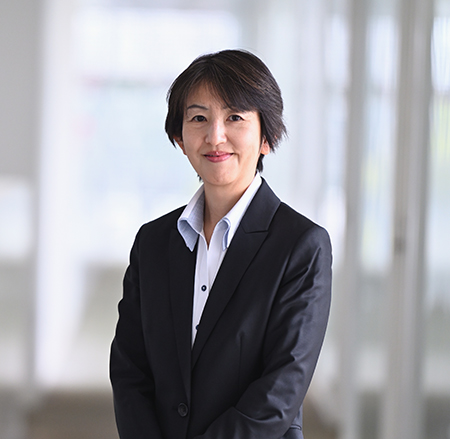
Contemporary science has become increasingly advanced and specialized, requiring a multifaceted approach to understanding natural phenomena. In addition to biology, students engage with physics, chemistry, nanotechnology, and data science to develop a comprehensive scientific foundation.
Through an integrated curriculum spanning material and life sciences, they cultivate the expertise needed to investigate phenomena across multiple scales.
This cross-disciplinary training enables students to examine life at cellular and organismal levels, explore molecular and atomic processes through the perspectives of physics and chemistry, and pursue interdisciplinary research connecting medicine, engineering, and agriculture.
Professor Tomomi Sato
Dean, School of Science
Through an integrated curriculum spanning material and life sciences, they cultivate the expertise needed to investigate phenomena across multiple scales.
This cross-disciplinary training enables students to examine life at cellular and organismal levels, explore molecular and atomic processes through the perspectives of physics and chemistry, and pursue interdisciplinary research connecting medicine, engineering, and agriculture.
Professor Tomomi Sato
Dean, School of Science
School of Science Faculty List
Click on the links below to view our Faculty List.